

Deck Replacement: Signs You Need It and How to Plan
Signs you need deck replacement: rot, sagging, wobbly railings. Plan your project for a safer, beautiful outdoor space.
Replacing your deck isn’t something most folks think about until they notice a few things are off. Maybe the boards feel mushy, or the railings wobble when you lean on them. Sometimes, it’s just that the old deck doesn’t fit your life anymore—maybe your family’s grown or you want to host bigger gatherings. Whatever the reason, knowing when to swap out your deck for a new one can save you headaches and make your outdoor space safe and inviting again. Here’s what to watch for and how to get started with a deck replacement project.
Key Takeaways
- Watch for signs like wood rot, sagging boards, and wobbly railings—these mean your deck might need replacement soon.
- If repairs keep getting more frequent or expensive, replacing the deck could actually save money over time.
- Think about how you use your deck now and what you’d like to do with a new one—this helps you plan the right size and layout.
- Choosing the right materials matters; some options last longer and need less upkeep than others.
- Getting permits and following local rules is a must for a safe, legal deck replacement.
Recognizing the Need for Deck Replacement
Your deck is more than just a flat surface outside; it’s where memories are made, from summer barbecues to quiet morning coffees. But like anything exposed to the elements, decks don't last forever. They age, they wear down, and sometimes, they just need to be replaced. It’s easy to put off, but ignoring the signs can lead to bigger problems, not to mention safety hazards. So, how do you know when your deck has reached the end of its useful life?
This is probably the most common and serious issue. Wood rot happens when moisture gets into the wood and starts to break it down. You might notice boards feeling soft when you step on them, or maybe they look discolored. Sometimes, you'll see little cracks forming along the grain. If you poke at it with a screwdriver and it crumbles, that’s a bad sign. While you can sometimes replace a single rotten board, if the rot is widespread, especially in the main support beams, it’s a clear signal that a full replacement is needed. It’s not just about looks; rotten wood can’t hold weight, making your deck unsafe.
A deck that feels bouncy or looks like it’s dipping in the middle is a major red flag. This usually means the underlying structure – the joists and beams – is failing. It could be due to weak supports, the ground shifting underneath, or even just too much weight over time. A sagging deck isn't just ugly; it's a serious safety risk. You don't want to be caught on it if it gives way.
Beyond sagging, there are other structural issues to watch out for. Are the railings wobbly? Do the support posts look like they've shifted or sunk into the ground? Are there large cracks in the joists or main boards? These aren't minor cosmetic flaws; they point to a deck that's losing its integrity. Fasteners are another big clue. If you see a lot of rust around screws and nails, or if they're popping out, it means the connections are weakening. In humid or coastal areas, corrosion happens faster, but it's a problem everywhere.
Ignoring these structural warnings is like ignoring a check engine light in your car. It might seem okay for a while, but eventually, something will go wrong, and it could be dangerous.
While a little bit of green or black on a deck might just need a good cleaning, persistent mold and mildew can indicate a deeper problem. It often means the wood is staying wet for too long, which speeds up decay. If you notice a constant dampness, or if the mold seems to be eating into the wood itself, it’s a sign that the moisture is causing significant damage. This is especially true if you can smell a musty odor coming from the deck boards regularly.
Here are some quick checks to consider:
- Softness Test: Press a screwdriver into the wood. If it easily penetrates or feels spongy, you have rot.
- Wobble Test: Gently push on railings and posts. Any significant movement means they're not secure.
- Visual Inspection: Look for widespread cracks, splintering, or fasteners that are popping out or heavily rusted.
- Sagging Check: Stand in the middle of the deck and see if it feels stable or if there's noticeable bounce.
Assessing Deck Deterioration
Even the best-built decks don't last forever. Time, weather, and constant use take their toll. It's important to know when your deck is just showing its age and when it's actually becoming a problem. Spotting these signs early can save you a lot of headaches and keep your outdoor space safe.
Surface Damage and Splintering
Little cracks and a bit of wear on the surface are normal for any deck, especially wood ones. But when you start seeing a lot of splintering, or boards are getting deep cracks, that's a bigger deal. Splinters are not only annoying if you're walking barefoot, but they also let water get into the wood, which speeds up rot. Cracked boards don't drain water well either, leading to more decay and weakening the whole surface. If your deck looks like this across most of the boards, it's probably time to think about replacing it rather than just trying to patch it up.
Wobbly Railings and Unstable Posts
Railings are there for safety, plain and simple. If yours feel loose, wobbly, or if the posts seem to be leaning or sinking into the ground, that's a serious red flag. This usually happens because the fasteners holding them are worn out, the wood at the base of the posts has rotted, or the main deck frame itself has shifted. Just tightening up a wobbly railing might not fix the real issue underneath. It often means the deck's main structure is compromised, and that needs to be addressed properly.
Cracked Joists or Boards
Joists are the support beams underneath your deck boards. If you notice significant cracks in these, or even in the deck boards themselves, it's a sign of structural weakness. Small cracks might be cosmetic, but larger ones, especially if they run across the width of a joist or board, can compromise its ability to hold weight. You might also notice the deck feels softer or bounces more than it used to. Persistent sagging or unevenness across multiple sections of the deck is a strong indicator that the underlying support system is failing.
Loose or Corroded Fasteners
Screws, nails, and bolts are what hold your deck together. Over time, especially with exposure to rain and humidity, these can rust or loosen. You might see rust stains around the fasteners, or they might start popping out of the wood. Sometimes, you can even twist them with your fingers. While a few loose screws can be tightened, widespread corrosion or fasteners popping out suggests the deck's overall integrity is weakening. This is especially true if you see this happening on railings or steps, as it directly impacts safety.
Understanding Deck Replacement Costs and Value
Deciding whether to repair or replace your deck often comes down to a tough look at the numbers. It's easy to get caught up in the idea of just fixing the immediate problem, but sometimes, that's just throwing good money after bad. You've got to think about the long game here.
When Repairs Become Costly
Little fixes here and there might seem manageable at first. You swap out a few rotten boards, tighten some screws, maybe give it a fresh coat of stain. But when you start adding up the cost of materials and, more importantly, the labor for these repeated fixes over a couple of years, it can really start to sting. If you're finding yourself patching up the same spots or dealing with new issues every season, you're likely past the point where repairs make financial sense. The cost to repair a deck can add up surprisingly fast, especially when you factor in the time and effort involved. It's like putting a band-aid on a much bigger problem.
Long-Term Value of Replacement
Opting for a full replacement, while a bigger hit to the wallet upfront, often proves more economical in the long run. A new deck means starting fresh with solid framing, secure connections, and modern materials that are built to last. This significantly cuts down on ongoing maintenance and the need for frequent, costly repairs. Plus, a well-designed and built new deck can seriously boost your home's curb appeal and overall market value. It's an investment in your property that pays dividends for years, offering a safe and beautiful outdoor space.
Cost Tipping Point Analysis
So, how do you know when you've hit that tipping point? It's helpful to track your expenses over the last two or three years. Add up everything you've spent on repairs, materials, and any professional help. If that total is getting close to, or even exceeding, what a new deck would cost, it's a clear sign. Consider these factors:
- Frequency of Repairs: Are you fixing the same issues year after year?
- Scope of Damage: Is the rot or structural weakness spreading?
- Material Degradation: Are boards consistently cracking, warping, or splintering?
- Safety Concerns: Are railings wobbly or stairs unstable despite fixes?
When the cumulative cost of patching up an aging deck starts to rival the investment in a completely new structure, it's time to seriously consider replacement. This shift marks the point where ongoing repairs are no longer a sensible financial strategy compared to the long-term benefits and stability of a new build.
Think about it this way: a new deck is like buying a reliable car that needs minimal upkeep for decades, whereas constant repairs are like keeping an old clunker on the road – it costs more in the long run and is never truly dependable.
Planning Your Deck Replacement Project
So, you've decided it's time for a new deck. That's a big step, but a good one! Before you start picking out fancy railing designs, let's talk about getting this project planned out right. It’s not just about slapping down some new boards; it’s about making sure this new deck actually works for you and your family for years to come.
Assessing Deck Usage and Lifestyle Needs
Think about how you actually use your outdoor space. Is it mostly for quiet morning coffees, or are you hosting big family barbecues every other weekend? Maybe the kids use it as a play area, or perhaps you're dreaming of an outdoor kitchen setup. Your current deck might be too small, awkwardly shaped, or just not set up for how your life has changed. A new deck is a chance to build a space that truly fits your lifestyle.
Here are some things to consider:
- Entertaining: How many people do you usually have over? Do you need space for a dining table, lounge chairs, or a separate grilling station?
- Family Use: Are there young children who need safe play areas? Do you need space for toys or a small play structure?
- Relaxation: Is it a spot for reading, yoga, or just enjoying the view? Consider comfort and privacy.
- Future Plans: Are you thinking about adding an outdoor kitchen, a fire pit, or maybe even a hot tub down the line?
Your deck is an extension of your home's living space. Taking the time to figure out what you need and want from it now will save you headaches and regrets later on. It's about creating a functional, enjoyable area tailored to your daily life.
Choosing the Right Deck Materials
This is where things get interesting, and also where you can really impact the look, feel, and maintenance of your new deck. There are several popular options, each with its own pros and cons.
| Material | Pros | Cons |
|---|---|---|
| Pressure-Treated Wood | Affordable, widely available | Needs regular sealing/staining, can splinter |
| Cedar/Redwood | Natural rot/insect resistance, looks great | Higher cost, requires maintenance |
| Composite Decking | Low maintenance, durable, resists rot | Higher upfront cost, can get hot in sun |
| PVC Decking | Waterproof, very low maintenance | Limited color/design options, can be pricey |
| Exotic Hardwoods | Very durable, premium look | Most expensive, heavier, needs sealing |
Consider your climate too. If you live somewhere with a lot of rain or humidity, materials like composite or PVC might be worth the extra cost for their longevity. In drier areas, certain woods might hold up well with proper care.
Understanding Permit Requirements
Don't skip this step! Most deck replacement projects, especially those involving changes to the size, height, or structure, will require a building permit from your local municipality. Pulling a permit ensures that your new deck meets safety codes and building standards. It might seem like a hassle, but it's important for safety and can prevent issues if you ever sell your home. Your contractor should be able to help you navigate this process, or you can contact your local building department directly to find out exactly what's needed for your specific project. Skipping permits can lead to fines or even having to tear down a non-compliant deck later.
The Deck Replacement Process
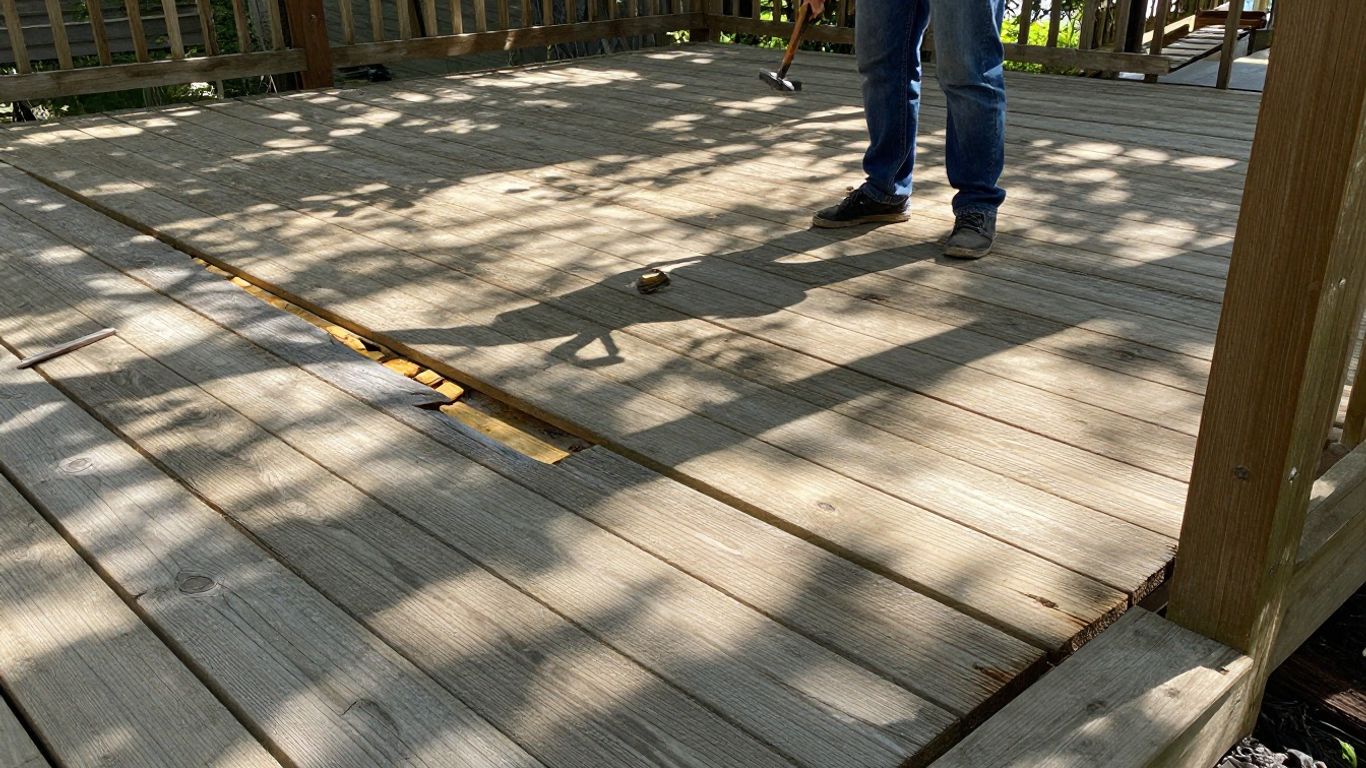
So, you've decided it's time to say goodbye to the old deck and hello to a new one. That's a big step, but it's also an exciting one! Replacing a deck isn't just about slapping down some new boards; it's a whole process that, when done right, gives you a safe, beautiful, and functional outdoor space for years. Let's break down what goes into it.
Removing Old Materials Safely
First things first, that old deck has to go. This isn't just a matter of yanking up boards. Safety is key here. Professionals will carefully dismantle the existing structure, starting from the top down. They'll remove railings, then deck boards, and finally, tackle the support posts and framing. It's important to do this in a controlled way to avoid damaging your house or causing injury. Any old hardware, like nails and screws, needs to be removed too, so you don't have rusty bits left behind.
Building a Solid Deck Structure
This is where the real foundation of your new deck is laid. It all starts with the support system. If your deck attaches to your house, the ledger board needs to be properly secured and flashed to prevent water from getting into your home's structure. Then come the posts, beams, and joists. These are the bones of the deck. They need to be the right size, spaced correctly, and anchored securely in the ground (usually with concrete footings) to handle the weight and the elements. A strong, well-built frame is the most critical part of a safe and long-lasting deck.
Installing New Deck Boards
Once the frame is solid, it's time for the surface you'll actually walk on. Deck boards are typically installed perpendicular to the joists. Whether you're going with wood, composite, or PVC, there are specific ways to attach them. For wood, you'll usually see screws, while composite often uses hidden fastener systems that give a cleaner look. It's important to leave small gaps between the boards – usually about an eighth to a quarter of an inch. This allows for expansion and contraction with temperature changes and, more importantly, lets water drain away, which helps prevent rot and keeps the deck from getting too slippery.
Finishing Touches and Inspections
Almost there! After the boards are down, it's time for the details. This might include installing skirting around the base, adding decorative post caps, or building steps and railings. Railings aren't just for looks; they're a major safety feature, especially on elevated decks. They need to be sturdy and meet local building codes for height and spacing. Finally, a thorough inspection is done. This checks that everything is secure, stable, and meets all the required building codes. It's the final sign-off that your new deck is ready for you to enjoy.
Benefits of a New Deck
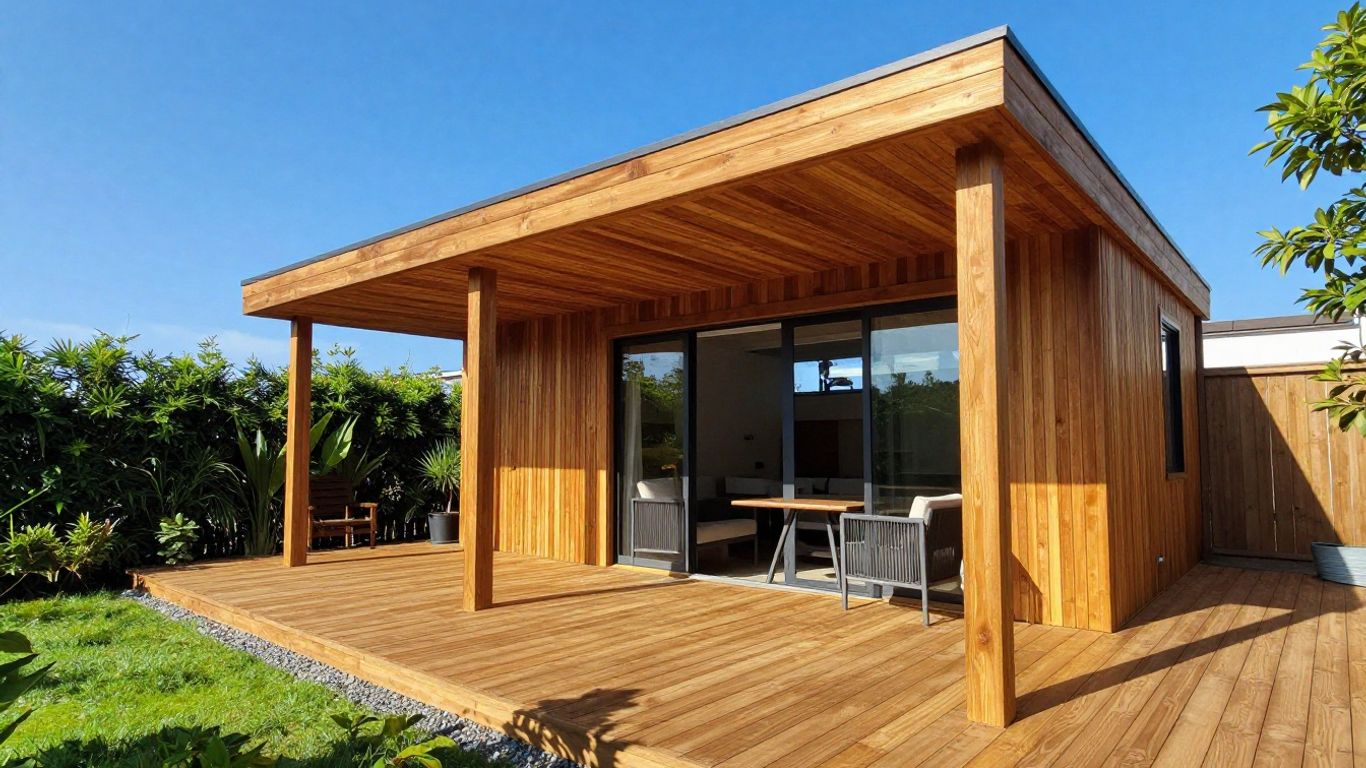
So, you're thinking about replacing your old deck. It's a big project, for sure, but the payoff can be pretty significant. A new deck isn't just about looking good; it's about making your home safer, more enjoyable, and frankly, more valuable.
Enhanced Safety and Stability
Old decks can be a real hazard. Think about those wobbly railings or boards that feel soft underfoot. Replacing your deck means getting rid of those dangers. You'll have a solid structure built with new materials and up to current building codes. This means no more worrying about someone taking a tumble.
- Structural Integrity: New posts, beams, and joists mean a deck that won't sag or collapse.
- Secure Railings: Properly installed railings prevent accidents, especially for homes with kids or pets.
- Safe Stairs: Consistent tread depths and riser heights make going up and down a breeze.
Replacing an old deck with a new one is a smart move for peace of mind. You're not just getting a cosmetic upgrade; you're investing in the safety of your family and guests.
Improved Aesthetics and Property Value
Let's be honest, a beat-up deck can really bring down your home's curb appeal. A fresh, new deck, on the other hand, can totally transform your backyard. It makes the whole house look better and can even help when it's time to sell. In fact, adding a wood deck can give you a great return on investment, sometimes recouping most of its cost. Deck additions offer a strong ROI.
Increased Functionality and Enjoyment
Your lifestyle changes, and your deck should too. Maybe your old deck is too small for backyard BBQs, or perhaps you'd love a spot for an outdoor dining set. A replacement project lets you design a deck that fits how you actually use your outdoor space now. You can add more room, better flow, or even features like built-in seating or a dedicated grilling area. It turns your deck from just a platform into a real outdoor living room.
Wrapping Up Your Deck Project
So, you've looked at your deck and decided it's seen better days. Maybe it's the soft spots, the wobbly railings, or just the fact that it's not working for your life anymore. Whatever the reason, knowing when to replace it is half the battle. Planning it out, picking the right materials, and getting it done right means you'll have a great outdoor space for years. It’s not just about fixing something old; it’s about creating a better spot for making memories. Don't let a tired deck hold you back from enjoying your home to the fullest.
Frequently Asked Questions
How do I know if my deck needs to be replaced instead of just repaired?
If you see many problems at once, like soft wood, wobbly railings, or uneven boards, it's usually time for a full replacement. Small fixes are okay for minor issues, but if multiple parts are worn out or rotten, a new deck is safer and often cheaper in the long run.
What are the first signs of deck problems I should look out for?
Keep an eye out for wood that feels soft or spongy, boards that are splitting or have splinters, railings that shake when you touch them, or if the deck surface feels uneven or bouncy. Also, watch for mold or mildew, especially in damp areas.
Do I need a permit to replace my deck?
In most places, yes, you'll need a permit to replace a deck, especially if it's elevated. The rules can vary, so it's best to check with your local building department. They often handle the paperwork for you if you hire a professional.
How long does a deck replacement project usually take?
After getting the necessary permits, a typical deck replacement can take anywhere from one to three weeks. The exact time depends on the size of the deck, how easy it is to access the work area, and the complexity of the design.
What are the benefits of replacing my old deck?
Replacing your deck makes it much safer and more stable. It also makes your home look better and can increase its value. Plus, a new deck can be designed to fit your current lifestyle better, giving you more space and better features for enjoying the outdoors.
Is replacing a deck more expensive than repairing it over time?
While replacing a deck has a higher cost upfront, it can be cheaper in the long run. Constant repairs add up quickly in both money and time. A new deck uses durable materials and solid construction, meaning fewer repairs and less maintenance for many years.