

Choosing the Best Deck Boards: A Guide to 16 ft Options
Explore 16 ft deck boards: materials, dimensions, quality, and structural needs. Your guide to choosing the best deck boards 16 ft for your project.
So, you're thinking about building a new deck, or maybe just replacing the old boards? That's cool. Picking the right deck boards can feel like a lot, especially when you're looking at specific lengths like 16 ft. There are tons of options out there, from different woods to fancy composites, and it's easy to get lost. This guide is here to help you sort through it all, focusing on those 16 ft deck boards, so you can make a choice you won't regret. We'll cover what to look for, what materials work best, and some practical stuff like cost and rules.
Key Takeaways
- When picking deck boards, especially 16 ft lengths, think about the width and thickness. Wider boards (like 6 inches) mean fewer gaps and less cutting, while thicker boards (at least 1 to 1.25 inches) prevent sagging.
- Natural woods like cedar and redwood look nice but need upkeep. Pressure-treated lumber is cheaper and lasts longer but needs to be dry after treatment to avoid shrinking and warping.
- Composite deck boards offer a uniform look and less maintenance but can cost more and might not hold up as well in extreme weather.
- Always check for board defects like 'wane' (missing wood on the edges) and significant twists or bends. Most minor bends will straighten out when attached, but big ones are a problem.
- Before buying, check local building codes and get any needed permits. Also, plan your budget carefully, considering not just the initial cost of your 16 ft deck boards but also long-term care.
Understanding Deck Board Dimensions For 16 ft Lengths
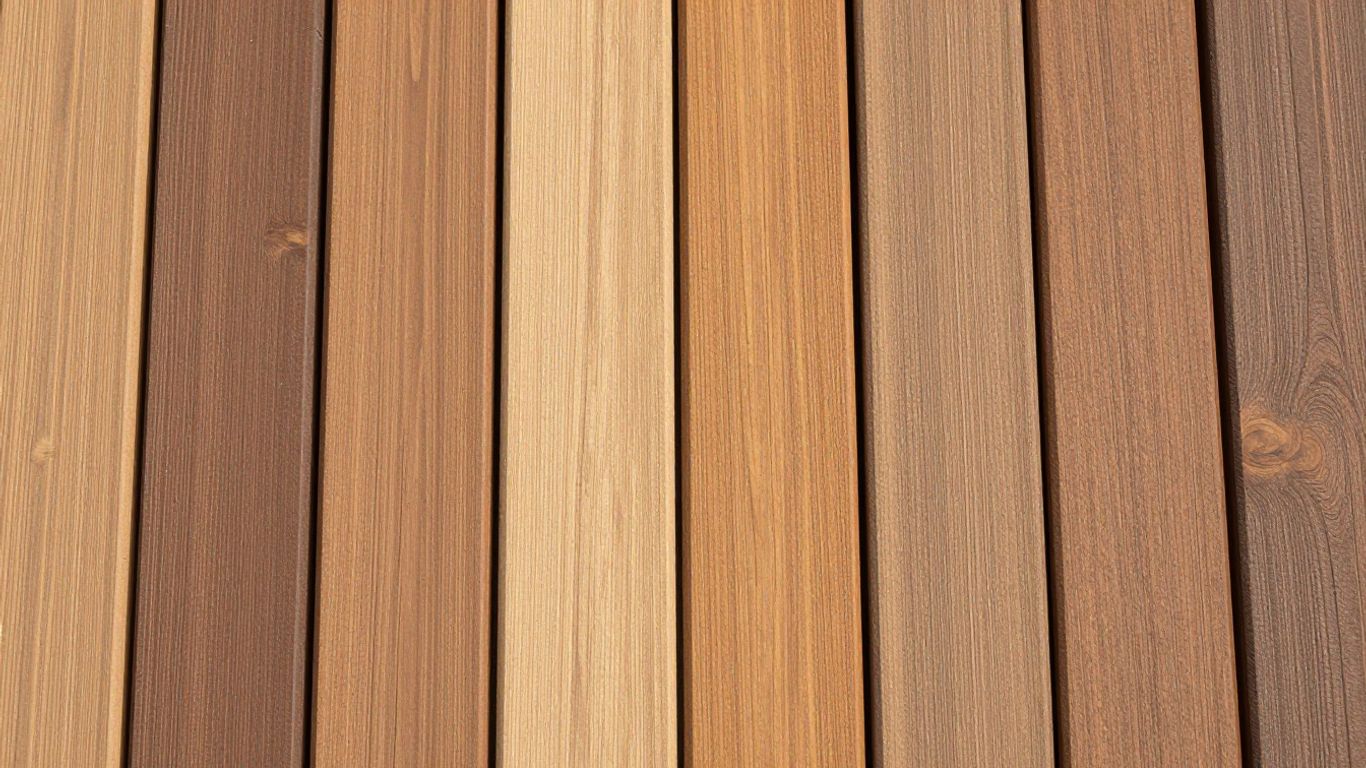
When you're looking at deck boards, especially those 16-footers, it's not just about the length. You've got a few other things to think about that really make a difference in how your deck turns out and how it holds up over time. Let's break down the main dimensions.
Considering Board Width for Your Deck
The width of your deck boards plays a bigger role than you might think. While 4-inch wide boards are common and might seem like a good way to save a few bucks, stepping up to 6-inch wide boards can actually make your life easier and your deck look better. Why? Fewer boards mean fewer cuts to make, fewer gaps to worry about between the boards, and less time spent fiddling with fasteners. It just speeds things up. Just try to avoid going wider than 6 inches, like 8-inch boards, because they tend to be more likely to warp, cup, or split down the road. It’s a bit of a sweet spot.
The Importance of Deck Board Thickness
Don't skimp on the thickness of your deck boards. This is where you really want to get it right. For most standard decks, aim for boards that are at least an inch thick, or even up to an inch and a quarter. If you go too thin, like 3/4-inch boards, they can feel flimsy and might sag between your joists, even if your joists are spaced pretty close together. If your joists are spaced further apart, or if you plan on laying your deck boards at an angle, you'll definitely want to use thicker boards, often referred to as 2-by lumber, which is typically around 1-1/2 inches thick. This gives you a solid feel underfoot.
Optimizing Decking Lengths and Joist Spacing
Using 16-foot boards is great because they can often span the entire length of your deck, or at least a good chunk of it. This means fewer seams where boards have to meet end-to-end. These
Material Options for Your 16 ft Deck Boards
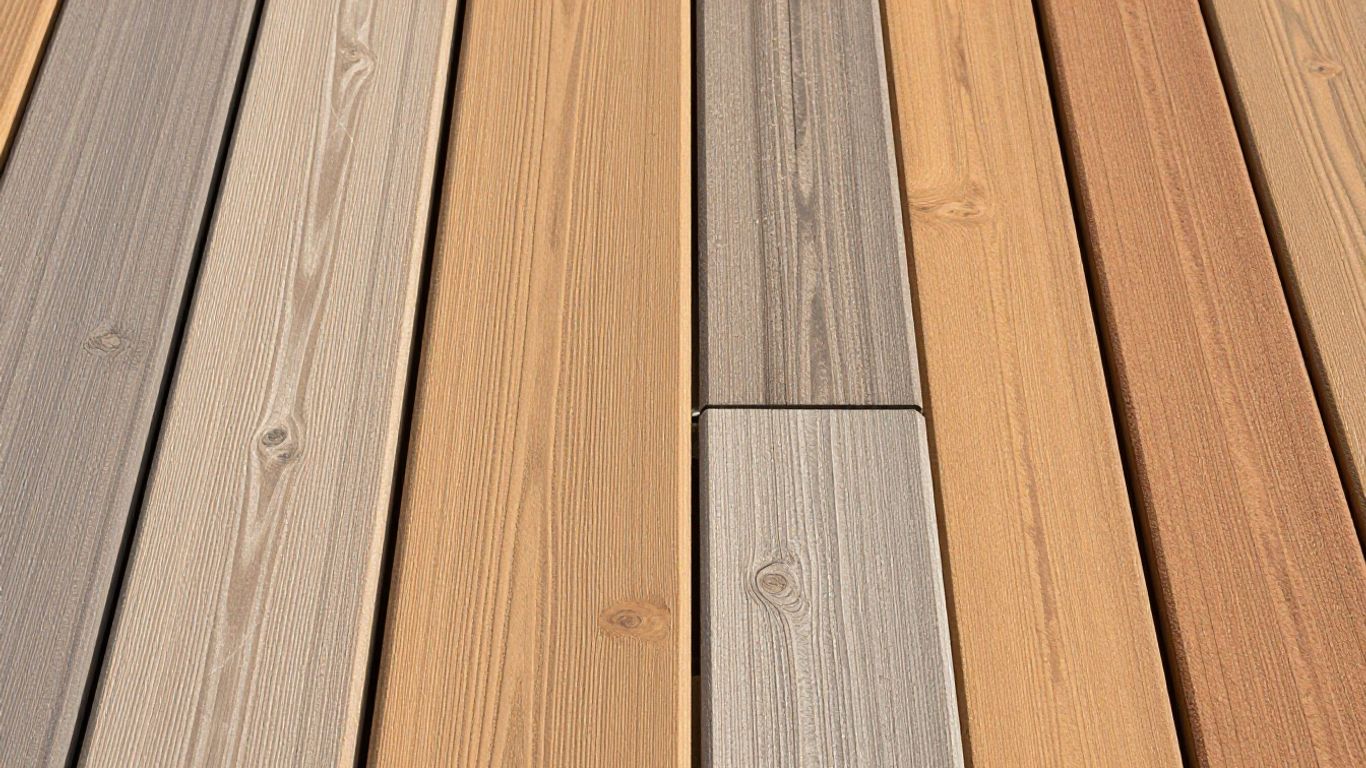
When you're picking out boards for your deck, especially those 16-footers, you've got a few main types to think about. Each one has its own quirks, good and bad, so it's worth looking into them.
Exploring Natural Softwoods: Cedar and Redwood
Cedar and redwood are pretty popular choices. They look nice, with cool grain patterns and natural colors. People like them because they tend to stay flat and don't warp or crack as much as some other woods. However, they will fade to a gray color within a couple of years, so you'll need to put some deck oil or a similar treatment on them regularly to keep them looking good. They're not the cheapest wood out there, but they're not the most expensive either. If you want that classic wood look, these are definitely worth considering.
Investigating Exotic Hardwoods
Then you have exotic hardwoods like Ipe or Cumaru. These come from tropical places, and while that might sound bad for the environment, many are grown on plantations now. The big thing with these is that they cost a pretty penny. Seriously, they're usually the most expensive option. But, they can last for ages, way longer than most other deck materials, and they keep looking good with just an occasional oiling. The downside? They're super dense. This means cutting them and screwing into them can be tough on your tools and just generally a hassle.
Evaluating Pressure-Treated Lumber
Pressure-treated lumber is often the most budget-friendly choice. If you're building a big deck, this can really help keep costs down. It's also built to last longer than untreated cedar or redwood. The catch is, if it wasn't dried out properly after the treatment process, it can shrink, split, crack, and warp. So, you really want to make sure you're getting good quality, kiln-dried treated lumber.
Understanding Composite Deck Boards
Composite boards are made from a mix of plastic and wood fibers. They're usually marketed as being resistant to rot and bugs. A big plus is that they offer a really consistent look – same color, same texture, all the way across your deck. No weird knots or color variations. On the flip side, they usually cost more than pressure-treated or natural softwood boards. Also, they don't always handle really extreme weather, like super cold winters or constant hot sun, as well as other materials might. And when they eventually wear out, they often end up in landfills because they aren't always recyclable themselves.
Here's a quick rundown:
- Cedar/Redwood: Natural beauty, good stability, needs regular oiling, mid-range price.
- Exotic Hardwoods: Very durable, long-lasting, premium look, highest cost, difficult to work with.
- Pressure-Treated Lumber: Most affordable, good durability, potential for warping if not dried properly.
- Composite: Consistent look, low maintenance, higher upfront cost, can be sensitive to extreme weather.
Selecting Quality Deck Boards: What to Look For
Alright, so you've got your 16-foot deck boards in mind, and you're ready to pick out the actual lumber. This is where things can get a little tricky, but also where you can really make your deck project shine. It’s not just about grabbing the first stack you see. You gotta look closely.
Avoiding Imperfections: Scalped Edges and Wane
First off, let's talk about the edges. When you look down the length of a board, you want those edges to be pretty clean. Sometimes, you'll see what they call "scalped edges" or "wane." This is basically where the wood is missing or uneven on the edge. If this wane is on the bottom, it's usually not a big deal. But if it's on the top, where you're going to be driving screws and butting boards together, that's a problem. It means there's less wood for your fasteners to grab onto, and it can make it tough to get boards to sit flush against each other. You want boards with nice, solid edges all around.
Ensuring Wood Dryness After Treatment
If you're going with pressure-treated lumber, how dry it is after treatment matters a lot. If it's still too wet, it's going to shrink and move around a lot as it dries out on your deck. This can lead to boards splitting, cracking, or warping. Some folks recommend looking for boards that have been kiln-dried after treatment. This process helps to stabilize the wood before it gets to you. It's a bit of an extra step, but it can save you headaches down the road.
Choosing Boards with Minimal Twist or Bend
Wood is a natural thing, right? So, you're not going to find boards that are perfectly straight like a metal beam. There might be a little bit of a twist or a bend in a 16-foot board. Most of the time, when you fasten the boards down to your joists, they'll straighten out. But if you pick up a board and it looks like a serious banana, maybe pass on that one. You want boards that are mostly straight, with just a slight curve that will likely disappear once they're installed.
Here's a quick rundown of what to look for:
- Edge Quality: Check for wane or scalped edges, especially on the top side.
- Straightness: Look down the length for excessive twists or bends.
- Moisture Content (for treated wood): Aim for wood that feels reasonably dry, ideally kiln-dried after treatment.
When you're at the lumberyard, don't be shy about inspecting the boards. Take a few minutes to really look them over. It's better to spend a little extra time now than to deal with warped or damaged boards later on.
Structural Considerations for Deck Boards
When you're picking out those 16-foot deck boards, it's not just about how they look or what they're made of. How they're supported underneath makes a big difference in how long they last and how they feel when you walk on them. Think of it like building a bridge – the foundation and supports are just as important as the road surface itself.
Joist Spacing and Its Impact on Deck Boards
The distance between your deck joists is a really big deal. Joists are those beams running underneath your deck boards that give them something to attach to. If your joists are too far apart, your deck boards can start to sag or even break over time. For most standard deck boards, a joist spacing of 16 inches on center is pretty common. However, if you're using thicker, more rigid boards, you might be able to stretch that to 24 inches. Conversely, if you're using thinner or less sturdy material, you might need to bring them closer together, maybe even 12 inches.
Here’s a quick rundown:
- 12-inch joist spacing: Good for thinner boards (like 3/4 inch) or when you want a really solid feel.
- 16-inch joist spacing: The standard for most wood and composite decking, offering a good balance of support and material use.
- 24-inch joist spacing: Usually requires thicker, stronger boards (like 1.5 inches) or specific composite materials designed for wider spans.
The thicker the board, the further apart your joists can be. It’s a simple relationship that saves you material and labor if you plan it right.
The Role of Joist Width Consistency
It's not just how far apart the joists are, but also how uniform they are. Joists aren't always perfectly straight or exactly the same width. You might notice some slight bowing or variations in thickness from one joist to another. While a little bit of crown (a slight upward bow) in a joist can actually help it stay straight under load, big differences in width can cause problems. When your deck boards are fastened to joists of uneven widths, they can flex more, leading to creaking sounds and fasteners loosening over time. Aim for joists where the width variation is minimal, ideally less than an eighth of an inch.
Proper Footing and Support for Deck Stability
Finally, don't forget what's holding up the joists themselves – the footings and support posts. These are the foundation of your entire deck structure. If your footings aren't deep enough or aren't level, or if your support posts are weak or improperly installed, the whole deck can become unstable. This instability puts extra stress on your joists and, in turn, on your deck boards. Making sure you have solid, well-placed footings and sturdy posts is key to a deck that feels safe and lasts a long time.
Building a deck involves layers of support. The deck boards rest on joists, the joists rest on beams, and the beams rest on posts, which are anchored by footings. Each layer needs to be strong and stable for the whole structure to work correctly. Skipping steps or cutting corners at any level can lead to problems down the road.
Budgeting and Planning for Deck Boards
Alright, let's talk about the money side of things and getting your deck project mapped out. Building a deck, especially with those 16-foot boards, involves more than just picking out the prettiest wood. You've got to think about the whole picture, from what you can afford right now to what it'll cost to keep it looking good for years.
Establishing a Realistic Budget for Decking Materials
First off, figure out what you can actually spend. Don't just guess; sit down and look at your savings or talk to your bank. Remember, the cost isn't just the boards themselves. You'll need fasteners (screws, nails), maybe some stain or sealant, and potentially new tools if you don't have them. Plus, don't forget about things like railings or stairs if your design calls for them. It's easy to get excited about a big deck, but you need to make sure it fits your wallet.
Here's a rough idea of how costs can stack up, just to give you a starting point. These are just estimates, mind you, and prices change all the time:
| Deck Size | Square Footage | Estimated Material Cost Range |
|---|---|---|
| 12' x 16' | 192 sq. ft. | $3,840 – $9,600 |
| 16' x 20' | 320 sq. ft. | $6,400 – $16,000 |
| 20' x 20' | 400 sq. ft. | $8,000 – $20,000 |
Considering Long-Term Maintenance Costs
This is where some materials really shine, or not. Pressure-treated lumber is usually cheaper upfront, but it might need more upkeep. You might have to stain or seal it every year or two to keep it from fading or rotting. Cedar and redwood look great naturally but also need regular attention to keep their color. On the other hand, composite decking costs more at the start, but it's pretty much maintenance-free. No staining, no sealing, just occasional cleaning. So, think about how much time and money you want to put into upkeep down the road.
- Pressure-Treated Wood: Lower initial cost, but requires regular sealing/staining. Expect to reapply every 1-3 years. Potential for warping or splitting over time if not maintained.
- Natural Woods (Cedar/Redwood): Mid-range cost. Beautiful natural look, but will fade to gray without treatment. Needs regular cleaning and occasional oiling to maintain color.
- Composite Decking: Higher initial cost, but very low maintenance. Resistant to rot, insects, and fading. Usually just needs a good wash now and then.
- Exotic Hardwoods: Highest initial cost. Extremely durable and long-lasting with minimal maintenance, often just an oil treatment to keep the rich color.
When you're looking at the total cost, don't just focus on the price tag of the boards today. Think about how many years you want this deck to last and what it will take to keep it looking good. Sometimes, spending a bit more upfront on a material that lasts longer and needs less work can save you a good chunk of change and a lot of hassle over the life of the deck.
Navigating Local Building Codes and Permits
Don't skip this step! Seriously. Before you even buy a single board, you need to find out what the rules are in your town or city. Most places require you to get a building permit for decks, especially if they're above a certain height or size. These codes are there for safety – things like how far apart your support posts need to be, the height of your railings, and even what kind of fasteners you can use. You can usually find this information on your local government's website or by calling the building department. Getting the permit and following the codes means your deck will be safe, legal, and you won't have to tear it down later because it didn't meet requirements.
Wrapping It Up
So, picking out the right 16-foot deck boards might seem like a lot, but it really comes down to what you want your deck to do and how long you want it to last. Whether you're leaning towards the classic look of wood, the low-maintenance vibe of composite, or something else entirely, remember to check the thickness, width, and length. Don't forget to look at the boards themselves for any weird twists or bad edges. Taking a little extra time now to get the materials right means you'll have a sturdy, good-looking deck that you can actually enjoy for years to come. Happy building!
Frequently Asked Questions
What are the most important things to look at when buying deck boards?
When picking out deck boards, check for things like "wane," which is when the edge isn't perfectly straight. Also, make sure the boards feel dry, not wet, because wet wood can shrink and cause problems later. It's also smart to look down the length of the board to see if it's twisted or bent too much. A little bend is okay, but a big banana shape means you should pick another board.
How does the thickness of a deck board affect my deck?
Thicker deck boards are generally better because they won't bend as much under weight. If you use thinner boards, you might need to put your deck's support beams (joists) closer together to keep the deck from feeling bouncy or weak. For most decks, boards that are about an inch to an inch and a quarter thick are a good choice.
Should I worry about the length of my deck boards?
It's usually best to use boards that are long enough to cover the entire length of your deck without needing to join them end-to-end. When boards are joined, those "butt joints" can be weak spots. Wood soaks up more moisture at the ends, making them more likely to rot or swell, and fasteners near the ends can sometimes split the wood.
What's the difference between wood types for deck boards?
You have a few main choices. Pressure-treated wood is usually the cheapest and lasts a long time, but it can sometimes warp or crack if not dried properly. Cedar and redwood are natural woods that look nice and don't move around as much, but they need regular sealing to keep their color. Exotic hardwoods are very tough and last the longest, but they cost a lot and can be hard to work with. Composite boards are made from plastic and wood and need little upkeep, but they can be pricey and might not do well in extreme heat or cold.
How do joist spacing and width affect my deck boards?
The beams under your deck boards, called joists, need to be spaced correctly. Closer joists mean your deck boards won't sag. Also, the joists themselves should be pretty much the same width. If they're uneven, your deck boards might flex more, and the screws could make creaky noises.
Why is it important to check local building codes?
Building codes are rules set by your town or city to make sure your deck is safe and built correctly. They might have rules about how high the deck can be, if you need railings, or what materials are allowed. Getting a permit and following these rules protects you and your investment, and avoids problems later on.